



Campaigning news
24
Nov
2026
09
Nov
2026
05
Oct
2026
Slide 1 of 10


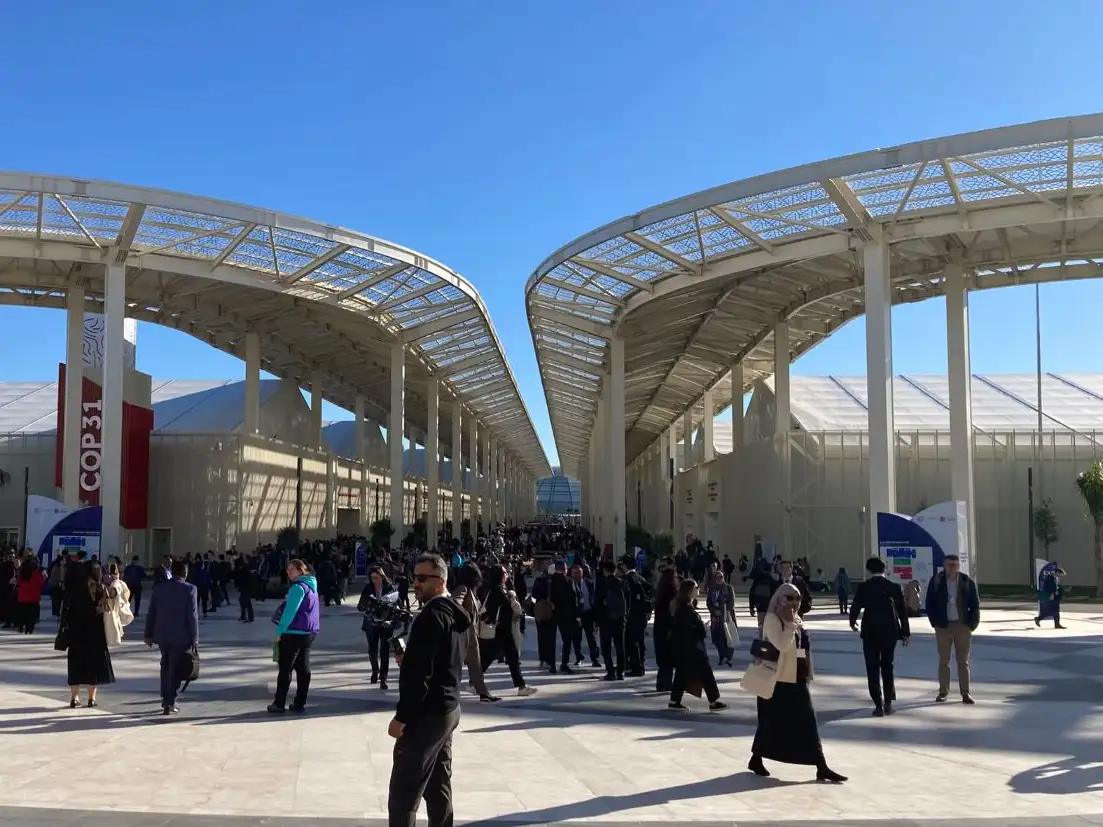
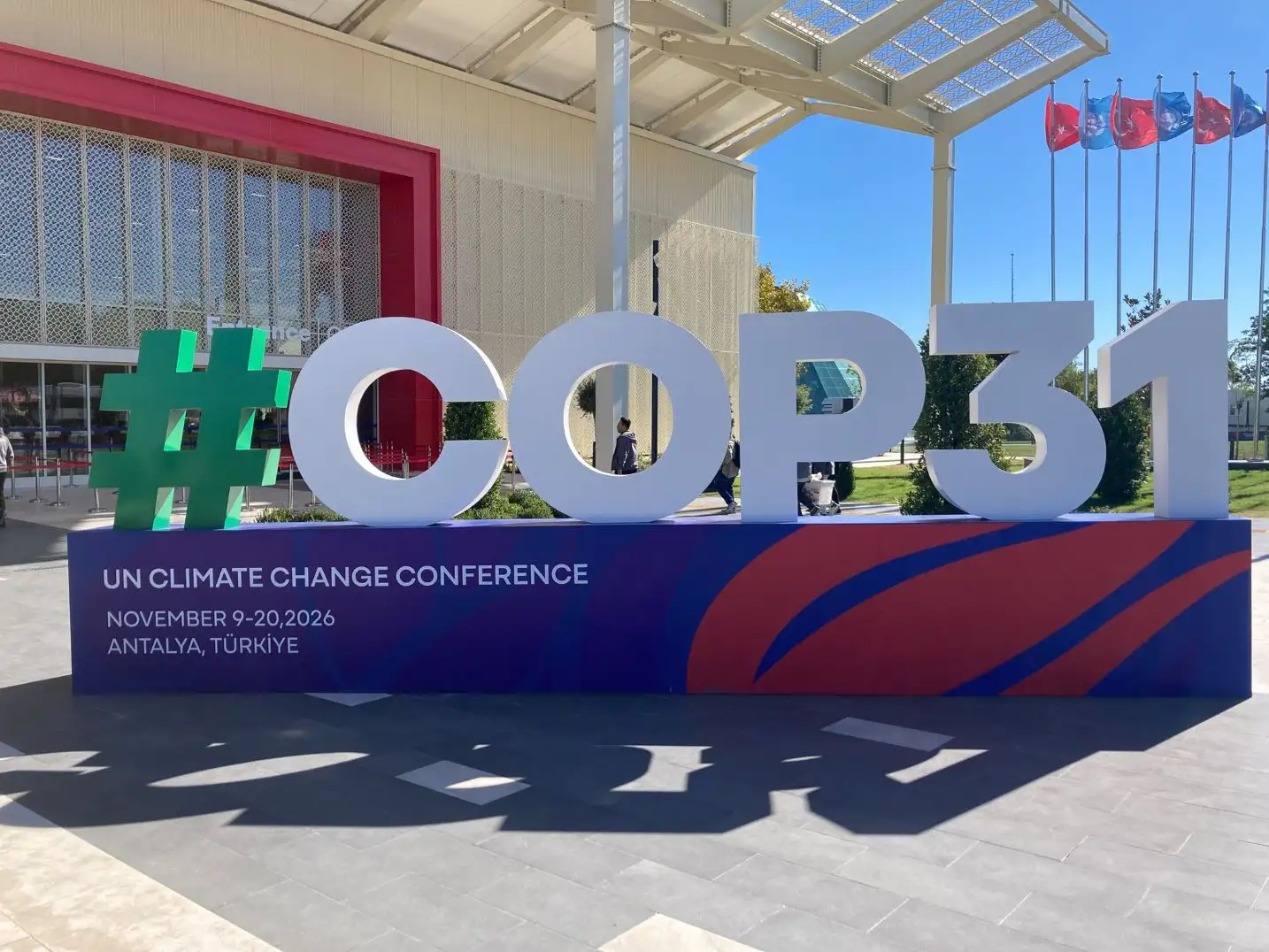
COP31 took place in Türkiye in November 2026
As delegates descended on Antalya in Türkiye for this year’s UNFCCC Conference of Parties (COP31), the urgency of tackling accelerating climate change was clear. From record-breaking heat to the dramatic glacial collapse that triggered an unprecedented flash flood through Nepal, and with an ongoing El Niño described by the World Meteorological Organisation as “literally off the monitoring charts that we have used for the past four decades”, it seemed obvious that a concentration of minds to deliver on the “implementation COP” was needed.
It started with an admission that the world will break through the “safe” 1.5°C average global temperature rise limit agreed at the Paris COP in 2015. Talk of “overshoot” and how to limit it acknowledged that this would mean a 5.7% annual reduction in global greenhouse gas emissions to peak at a 1.8°C rise before returning to 1.5°C by the end of the century. On the contrary, global greenhouse gas emissions are currently rising at 0.8% per year. Even if all current pledges are achieved, this would deliver a dangerous 2.6°C average global temperature increase by 2050.
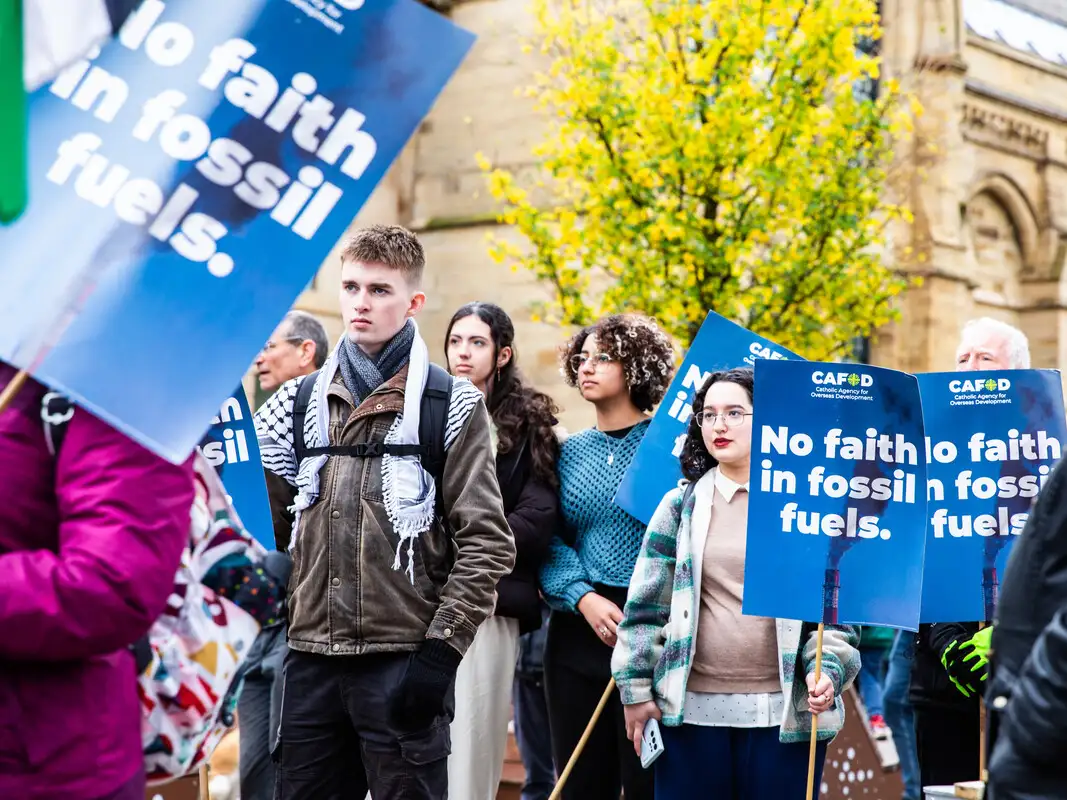
Despite this, the final draft agreement ignored an existing position to "transition away from fossil fuels" by refusing to even mention them. As with previous COPs, corporate lobbyist influence was pervasive. Over 100 corporations and industry groups promoting fossil fuels sent delegates to defend their interests, not least explicit annual subsidies that are now $725 billion. Agricultural companies had 260 delegates, almost all promoting industrial agriculture, source of a third of emissions and the main driver of biodiversity loss, while downplaying its climate and environmental impacts.

Listen back to our webinar, which was held live from Türkiye near the start of the conference, as CAFOD Advocacy Director Neil Thorns shares insights from the COP31 climate talks.
We explored the main issues, including the level of priority the UK government is giving to climate action with the Prime Minister present, and the Holy See’s vital role in championing the world’s most vulnerable communities.
While corporates get subsidies to boost their climate-destroying activities, the most vulnerable developing countries are spending 25 times more on debt repayment than tackling climate change. Negotiators from developed countries, many of whom are receiving these payments, refused to confirm promises made last year at COP30 in Brazil to triple adaptation finance to $120 billion by 2035, after failing by over $8 billion to reach the promised $40 billion by 2025.
Agreeing on how to make the transition away from fossil fuels fair for everyone is another huge sticking point. Disagreements on funding and language on human rights meant the expected Just Transition Mechanism was not approved and decisions deferred to COP32 next year.
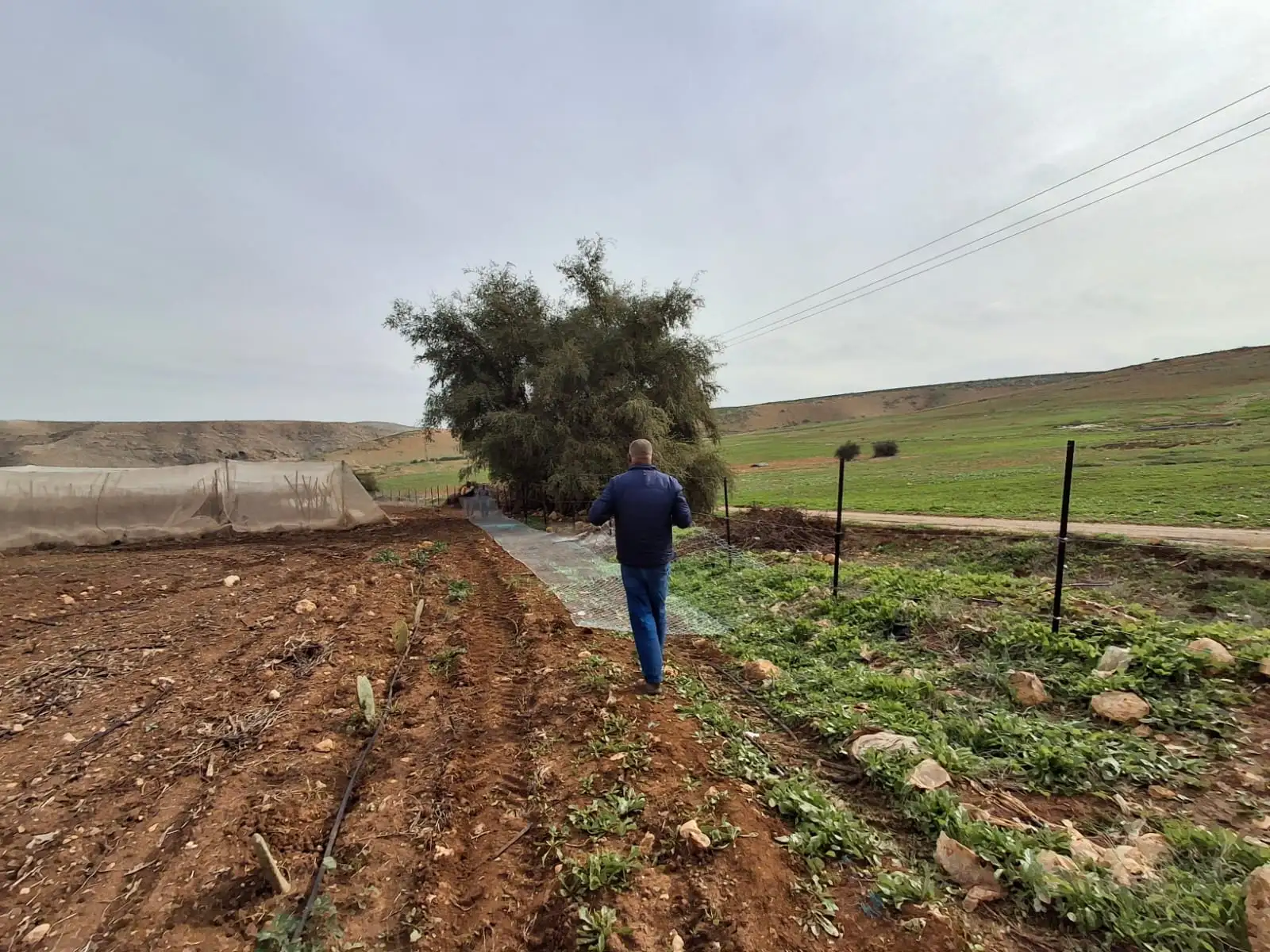
Even agreeing a successor to the Sharm el Sheik Joint Work on Agriculture was not possible. Despite an urgent need highlighted by many developing countries to build resilience through sustainable approaches such as agroecology, food and agriculture was not even mentioned in the final draft agreement and its only work stream effectively suspended.
Ultimately, this draft agreement was rejected by over 130 nations. It’s clearly time for COP processes to be reformed to prevent fossil fuel interests blocking progress. An integrated approach that delivers for climate, biodiversity loss and land degradation across all three Rio conventions is long overdue. Promises made on climate funding must be met and increased as climate change intensifies. With renewable energy now cheaper than the cheapest alternative fossil fuel, damaging subsidies must be repurposed and support transferred, as Panama described, to “move away from the slavery of fossil fuels into the freedom of renewables”. Failure is not an option; time is running out.