


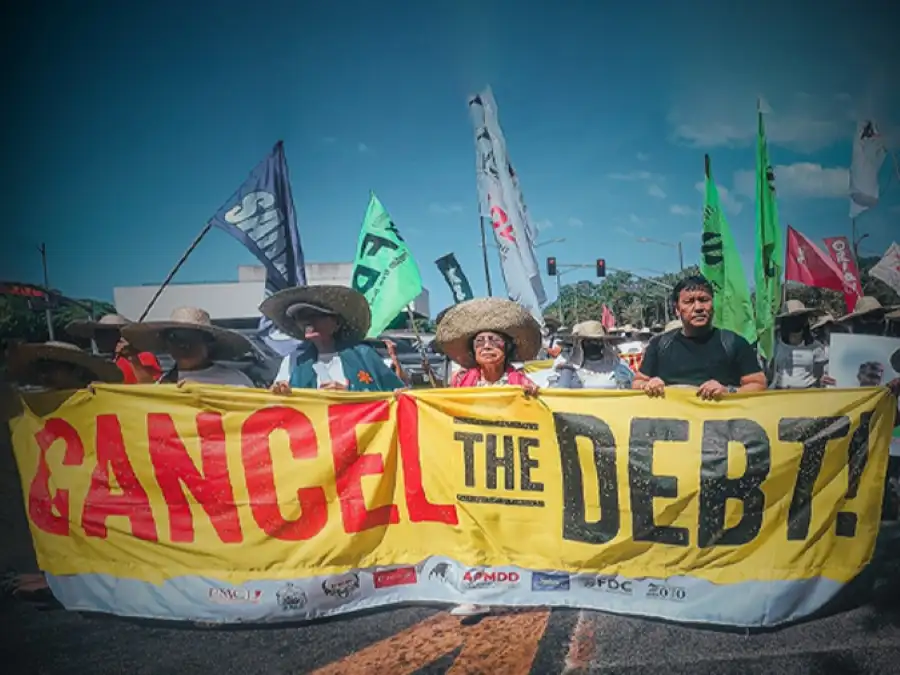
Many of the world's poorest countries are in a deepening debt crisis forced to pay ever higher interest rates to wealthy lenders. Money that should be spent on food, healthcare, education and coping with the climate crisis is flowing out of countries that can least afford it.
Governments across the global south have an impossible choice between serving their people or paying their creditors. Every day this continues, millions are suffering the effects. In Africa, 34 countries spend more on external debt payments than on health or education, when hospitals and schools are already desperately underfunded.
Countries often had no choice but to borrow at extortionately high rates. Often, they have paid their original debt several times over, but the debt will never be cleared because the interest on it keeps growing.
The Bible teaches us that money lending is about accompanying vulnerable people, not about profiteering. But in our current global system, powerful banks make huge profits from the vulnerability of poorer nations.
Low-income countries currently spend an average of 18% of government income servicing foreign debts each year, compared with just 5% in 2024. Research shows that if this was capped at a more sustainable level of around 10%, the funds released could give clean water to 11 million people, basic sanitation to 23 million and pay for an extra 3 million children to go to school.
There are practical solutions that can make a huge difference to this situation, and we are calling for urgent action in 2026 from the UK government.
Latest news on global debt
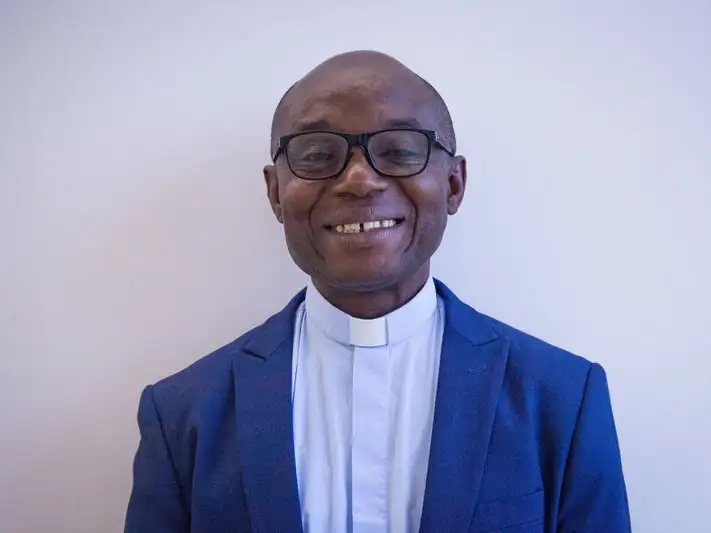
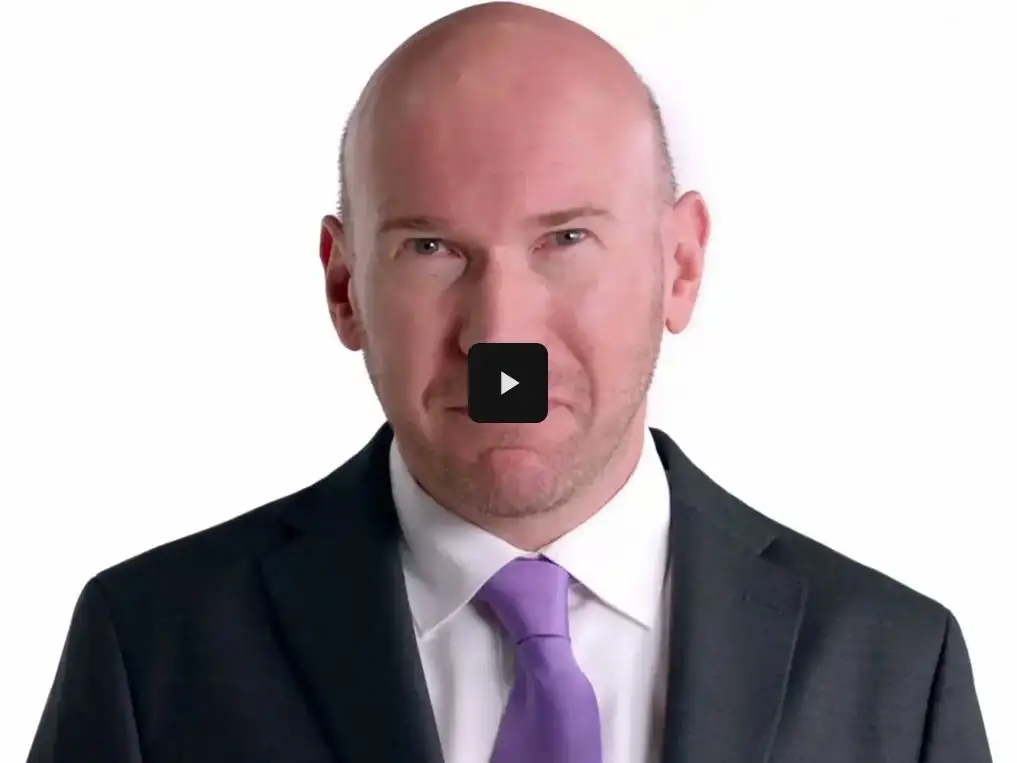





Sandun Thudugala from the Law and Society Trust in Sri Lanka
In Sri Lanka, debt is having a devastating impact
Sri Lanka’s debt crisis has contributed to 25% of the population living in poverty, up from 13% three years ago. In 2022, the government spent 35% of its revenue on paying back debts.
Sandun Thudugala from the Law and Society Trust in Sri Lanka, says, “A normal person has to bear the burden of this debt crisis. There is no medicine in hospitals and equipment is not available. Families don’t have enough food.”
Learn more about the debt crisis
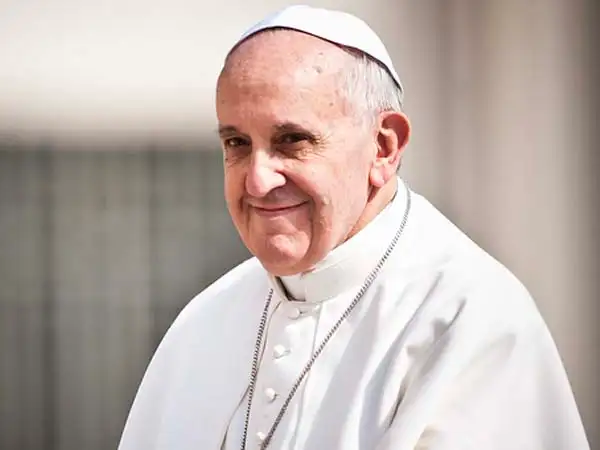
Commissioned by Pope Francis, this report has a clear and urgent goal: to help build a global economy that serves people, especially the most vulnerable, and leaves no one behind.
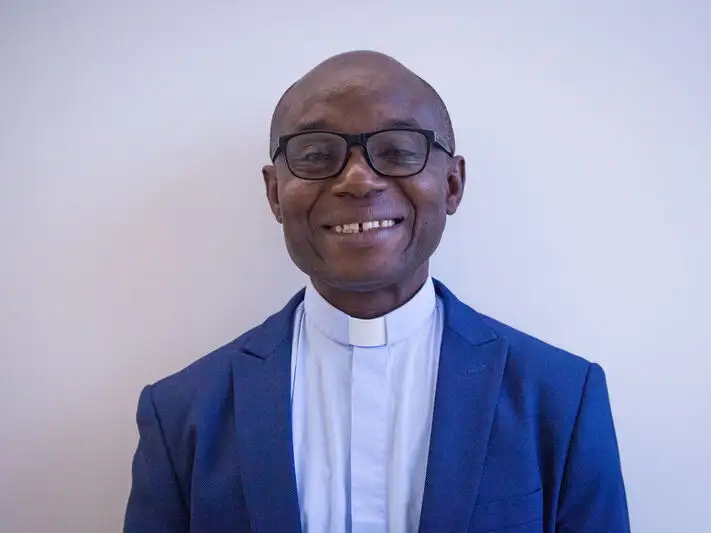
Hear from Fr Charlie Chilufya, a priest based in Kenya and Director of JENA (Jesuit Justice and Ecology Network, Africa) who is an expert on the debt crisis and on the human suffering that this is causing in Kenya.

"Shouldn't all debts just be repaid?" Read the answer to this and other questions about the global debt crisis.
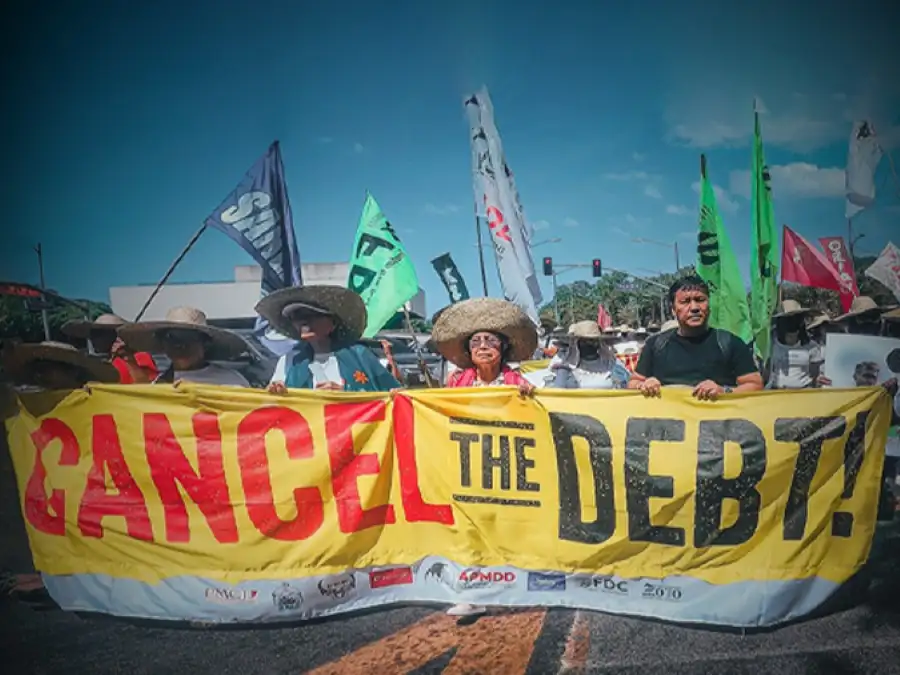
This report outlines why, following the historic success of the Jubilee 2000 debt campaign, the world once again faces an acute global debt crisis in 2025.